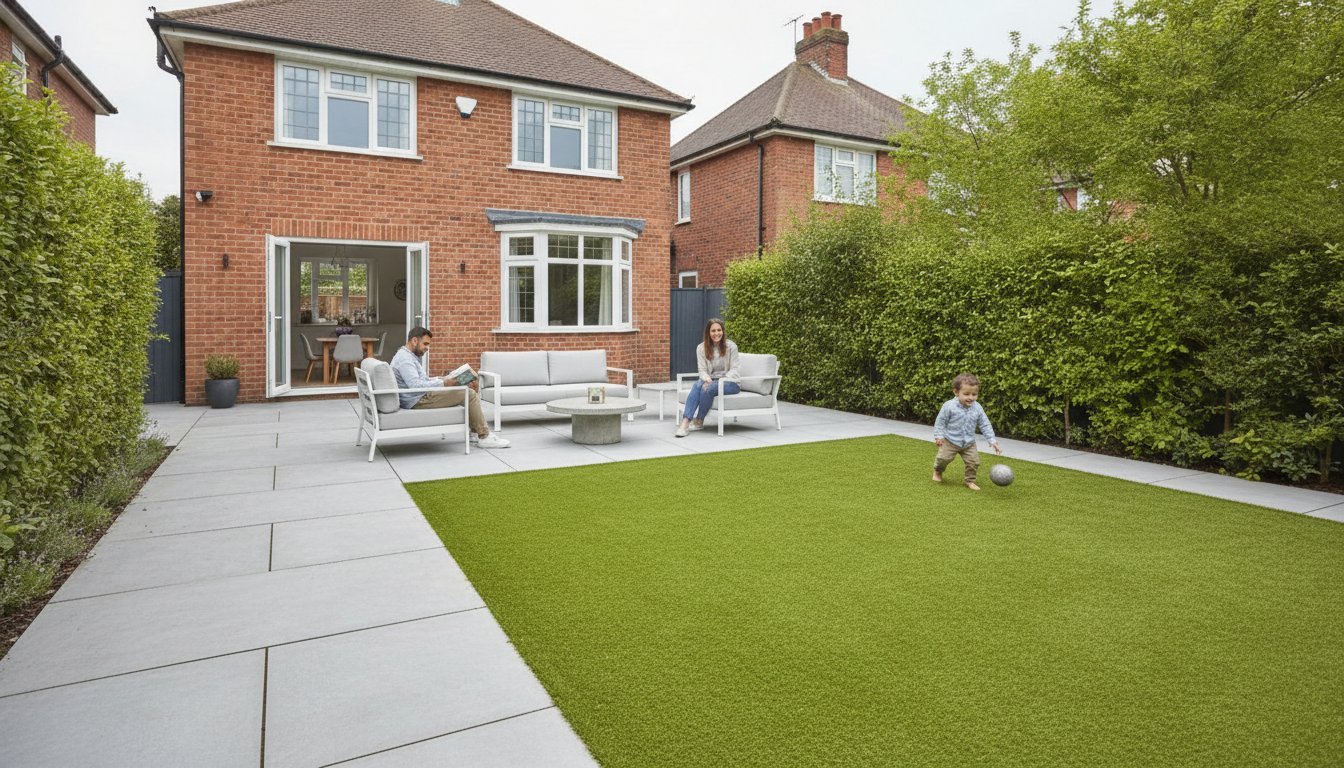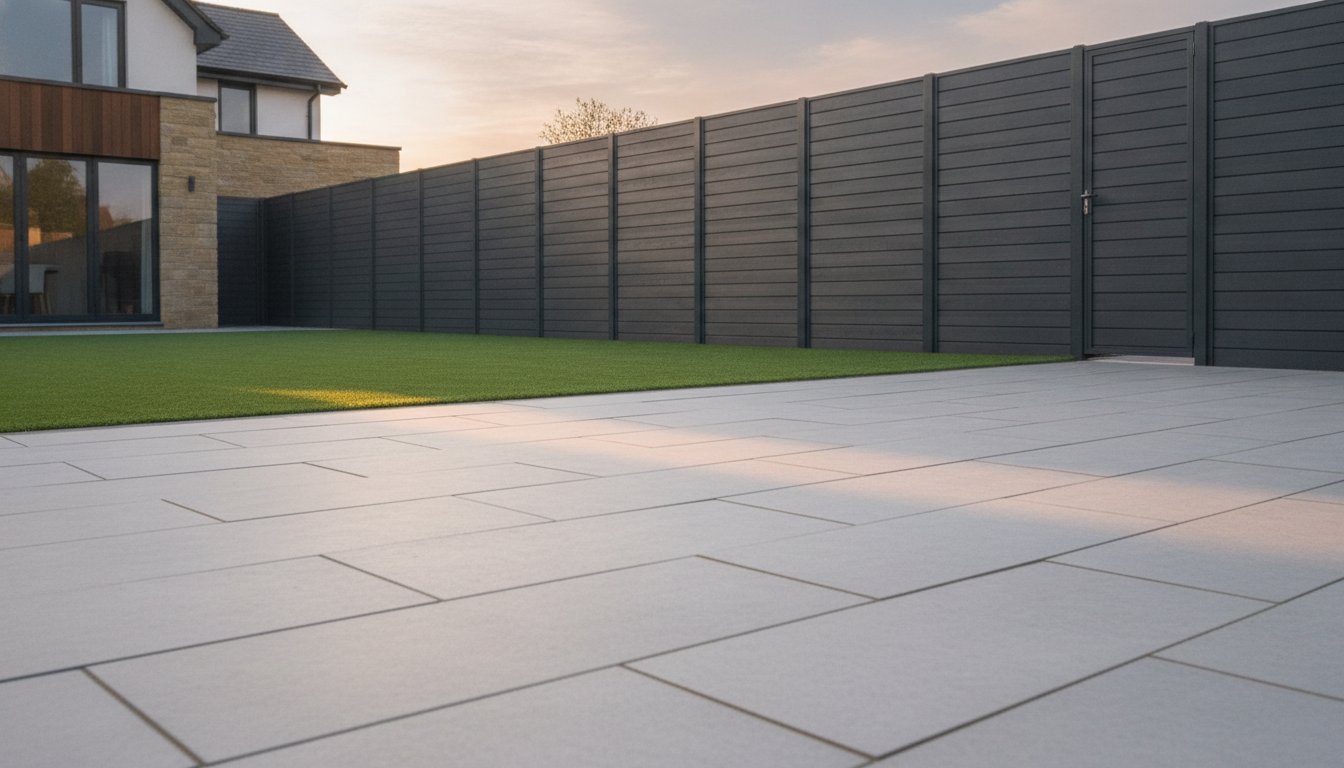
Your lush, green natural lawn might actually be the most chemical-heavy feature in your garden. It sounds backwards, doesn’t it? Most of us feel a genuine twinge of guilt when we consider synthetic options, especially whilst we’re trying to protect the British countryside. I understand that frustration deeply. You want a garden that’s usable for the kids and the dog all year round, but you’re constantly weighing up the mess of a muddy winter against the question: is artificial grass environmentally friendly UK families can actually trust? It’s a confusing topic filled with conflicting claims and strong opinions.
I’ve spent years helping homeowners navigate these exact worries. In this guide, I’ll provide an honest comparison of the environmental footprints of both natural and artificial turf. You’ll discover the real impact of maintenance chemicals versus plastic manufacturing to help you make a responsible choice. I’ll also share practical ways to offset synthetic materials by boosting biodiversity in your borders, ensuring your garden remains a haven for local wildlife whilst staying perfectly green and mud-free for the long term.
Key Takeaways
- Understand why the answer to “is artificial grass environmentally friendly UK” depends on the total lifecycle of the product, from initial manufacturing to its daily maintenance requirements.
- Learn how synthetic turf can reduce your garden’s chemical footprint by eliminating the need for nitrogen-rich fertilisers and petrol-powered lawnmowers that impact local air quality.
- Discover the “Hybrid Garden” approach, which combines the year-round usability of professional turf with deep, biodiverse borders to support local wildlife.
- Identify how to select high-quality materials and eco-conscious infills that ensure your garden lasts for decades, preventing premature waste and frequent replacements.
- Gain the confidence to choose a landscaping solution that balances your environmental values with the practical needs of a busy, modern household.
The Great British Garden Debate: Is Any Lawn Truly ‘Green’?
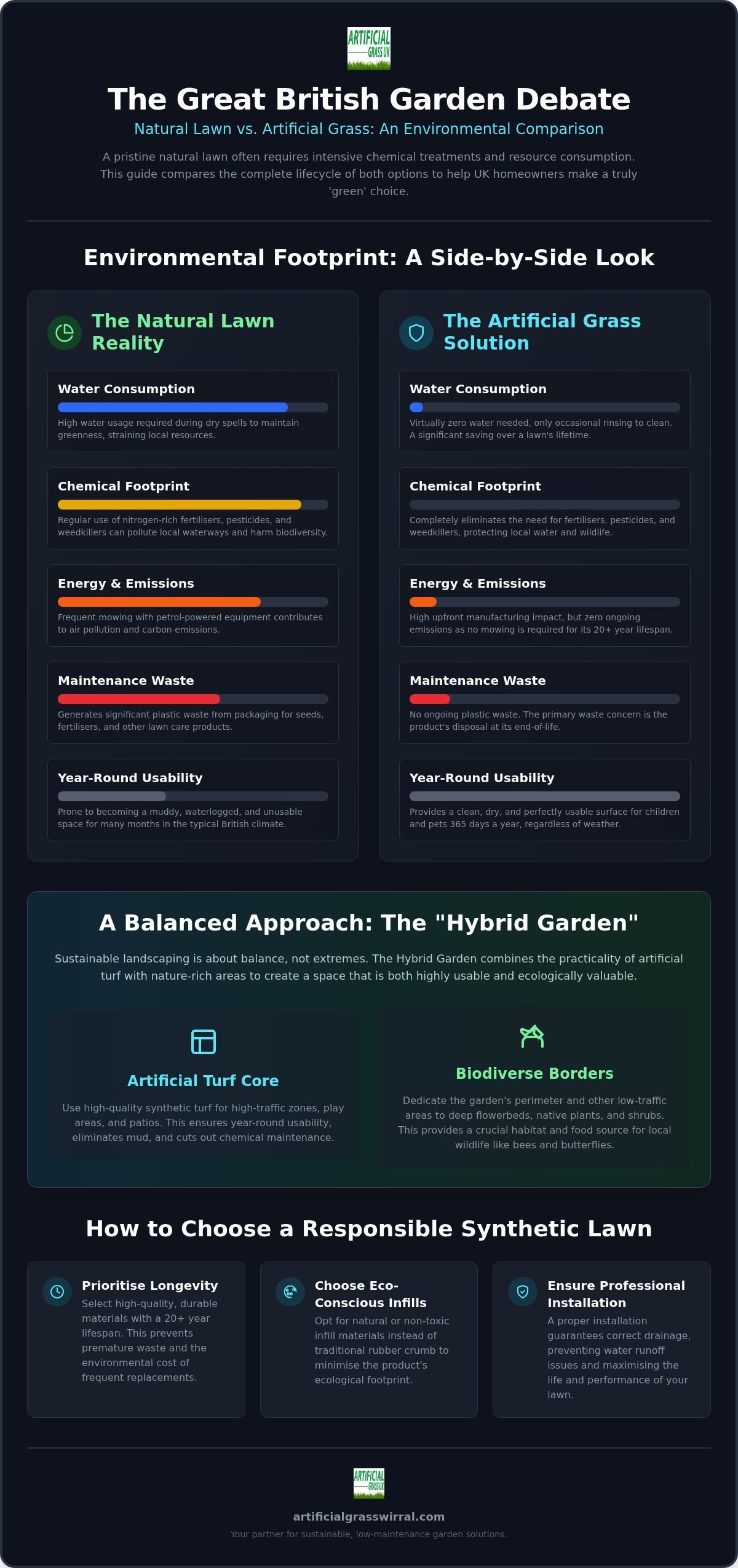
Most of us see a lush, green lawn and think “nature”. It isn’t always that simple. A pristine, weed-free garden in the UK often requires a heavy regime of fertilisers, weedkillers, and petrol-powered maintenance that leaves a significant mark on the planet. When asking is artificial grass environmentally friendly UK homeowners need to look past the surface colour. We have to consider the total lifecycle of our outdoor spaces. This means looking at everything from the carbon cost of manufacturing to the decades of maintenance that follow. It’s a choice between the high upfront impact of synthetic materials and the relentless, ongoing resource consumption of a traditional lawn.
Modern landscaping in 2026 is no longer a simple “plastic versus plants” argument. It’s about how we use our land. Whilst there are legitimate environmental concerns of artificial turf regarding manufacturing and eventual disposal, the constant chemical runoff from natural turf fertilisers poses its own threat to our local soil health. We’re moving towards a more nuanced understanding of what a “green” garden actually looks like.
What Does ‘Eco-Friendly’ Mean for a Wirral Homeowner?
Living in the North West brings unique challenges that don’t always favour the traditional lawn. Our heavy clay soils and frequent downpours often turn natural grass into a waterlogged mud pit for half the year. This isn’t just a nuisance for your hallway carpets; it affects how our gardens manage water and urban cooling. In a damp climate like ours, a garden that’s unusable for six months often ends up being neglected, losing its ecological value entirely. Environmental friendliness is the balance between resource input and ecological output. By choosing a high-drainage synthetic system, you might actually prevent the soil compaction and runoff issues that plague many Wirral gardens during a typical British winter.
Why the Traditional Lawn is Under Scrutiny
The dream of the perfect “bowling green” aesthetic is facing a reality check. Families in Liverpool and Chester are busier than ever, and the time poverty of modern life means few people can maintain a natural lawn without reaching for quick-fix chemicals. These nitrogen-rich fertilisers often end up in our local waterways rather than staying in the soil. We’re seeing a massive rise in low-maintenance outdoor living as a response to this. People want a space for the kids to play and the dog to run without the constant cycle of mowing, feeding, and reseeding. A professional installation that lasts twenty years can often be a more responsible choice than a natural lawn that requires weekly petrol-powered mowing and annual chemical treatments just to stay alive.
The Hidden Impact of Maintaining a Natural Lawn in the UK
We often talk about plastic pollution, but what about the plastic bags of fertiliser and weedkiller piled up in the shed? It’s easy to assume that a natural lawn is the zero-impact choice. The reality of keeping that grass green and tidy throughout a British summer is often much messier. To keep a traditional lawn looking “perfect”, many homeowners find themselves trapped in a cycle of chemical dependency and petrol-powered labor. When people ask is artificial grass environmentally friendly UK, they’re often comparing a one-time installation to decades of resource-intensive maintenance. It’s a heavy toll. One you might not see until the water bill arrives or the local bee population starts to thin out.
The waste problem goes beyond the grass itself. Every year, tonnes of plastic packaging from lawn care products end up in UK landfills. From the thick plastic sacks of grass seed to the non-recyclable bottles of moss killer, the “natural” garden produces a surprising amount of synthetic waste. Whilst the University of Plymouth on artificial lawns highlights the disruption to soil ecosystems, we must also weigh this against the damage caused by nitrogen-rich fertilisers leaching into our local waterways. If you’re looking for a way to cut out these chemicals entirely, our team at Artificial Grass Wirral can help you design a low-impact garden that stays green without the help of a spray bottle.
Pesticides, Fertilisers, and Local Biodiversity
In the Cheshire countryside, our bees and butterflies are already under pressure. The weedkillers used to maintain a “pure” grass lawn often eliminate the very wildflowers these pollinators rely on. It’s a cycle of dependency. Synthetic fertilisers might make the grass grow quickly, but they often deplete the natural microbial life in the soil, making the lawn even more reliant on the next chemical feed. This chemical runoff doesn’t just stay in your garden; it washes into the soil and eventually reaches our local rivers during heavy North West rains.
Mowing: The Carbon Cost You Might Be Overlooking
Mowing is perhaps the most overlooked environmental cost of a natural garden. Running a standard petrol-powered mower for just one hour can emit as much pollution as a 100-mile car journey. When you multiply that by twenty or thirty mows a year, the carbon footprint of a small patch of grass becomes startling. There’s also the noise pollution to consider. The constant drone of mowers and leaf blowers doesn’t just annoy the neighbours; it can disrupt local bird nesting patterns and drive wildlife away from your garden. Switching to a surface that doesn’t require a weekly petrol-powered trim is a significant step toward reducing your household’s annual CO2 output.
Assessing the Ecological Footprint of Artificial Grass
Let’s be honest about the materials. When asking is artificial grass environmentally friendly UK homeowners have to confront the fact that these surfaces are made from polymers like polyethylene and polypropylene. These are plastics. Their production involves energy-intensive processes and fossil fuels, which creates an undeniable upfront carbon debt. However, the real environmental story is found in the product’s lifespan. A cheap, DIY-grade turf might only last five years before it starts shedding fibres and heading to a landfill. In contrast, a professional-grade installation is designed to remain durable and intact for up to 20 years, spreading that initial carbon cost over two decades of use. It’s about longevity over disposability.
We also need to address the “Heat Island” effect. On those rare, scorching British summer days, synthetic turf can absorb more heat than natural grass. It doesn’t provide the same evaporative cooling as living plants, which can make the garden feel warmer. This is why I always suggest a balanced design. By using artificial turf for the high-traffic areas and surrounding it with plenty of lush, cooling greenery in your borders, you can enjoy a usable space without significantly raising the temperature of your local micro-climate.
Plastic Production and the End-of-Life Challenge
The biggest hurdle for synthetic turf is what happens when it finally reaches the end of its life. In 2026, whilst some newer products are designed to be more recyclable, the UK’s infrastructure for residential turf recycling is still catching up. Most old turf still ends up in landfill. This makes the quality of your initial choice absolutely critical. To ensure you’re choosing a product that won’t need replacing in a few years, it’s vital to understand the technical side of the build. You can find more detail in our Expert Artificial Grass Installation in Wirral: The Complete 2026 Guide, which explains how quality materials make all the difference to your garden’s footprint.
Drainage and the Local Ecosystem
There’s a common myth that artificial grass suffocates the soil. It doesn’t have to. Modern backings are perforated to allow for high-volume water and air flow, which is essential for maintaining the health of the soil organisms living beneath. In our damp North West climate, a professional sub-base installation is actually SUDS compliant, meaning it helps prevent the flash flooding and heavy runoff that occurs when natural clay soil becomes compacted and waterlogged. Critics often call it a “dead zone”, but remember that this surface requires zero pesticides. Given that UK insect populations have declined by as much as 80% over the past 20 years, removing toxic chemicals from your garden is a powerful way to protect the wildlife that lives in your hedges and flowerbeds.
Sustainable Landscaping: How to Balance Synthetic Turf with Nature
You don’t have to choose between a functional garden and a thriving local ecosystem. I’ve seen many homeowners struggle with the idea that installing a synthetic lawn means turning their back on nature, but that simply isn’t true. By adopting a “Hybrid Garden” approach, you can have the best of both worlds. This means using high-quality artificial turf for the central play or seating area where natural grass would fail, whilst dedicating your borders to dense, biodiverse planting. It’s about balance. When we ask is artificial grass environmentally friendly UK, we should really be looking at the garden as a whole system rather than just a single surface.
To truly offset the footprint of the materials, we can integrate features that invite wildlife back in. A hedgehog highway cut into your new fencing and gates or a few strategically placed bug hotels can make a massive difference. We also encourage moving away from traditional rubber crumb infills. In 2026, we have access to organic, mineral-based alternatives that are much kinder to the environment. If your ground space is limited, vertical gardening with climbing plants can provide the nesting sites and pollen that a flat lawn never could. It’s a clever way to ensure your garden remains a living, breathing space.
Choosing Recyclable and Circular Materials
The industry has come a long way. When I’m sourcing materials for a project, I look for “circular” turf products. These are designed so the backing and the fibres are made from the same polymer family, making them much easier to recycle at the end of their life. Choosing UK-manufactured products also helps significantly. It slashes the carbon emissions associated with long-distance shipping from overseas. Today’s premium grasses are also guaranteed lead-free and non-toxic, ensuring they’re perfectly safe for your children and pets to enjoy for the next twenty years. Understanding these material choices is key to answering if is artificial grass environmentally friendly UK for your specific home.
Boosting Local Biodiversity in Wirral Gardens
Our local Wirral climate is fantastic for certain pollinator-friendly species that thrive alongside a low-maintenance lawn. I always recommend incorporating Lavender, Buddleia, or even a small “wild corner” with native wildflowers in your raised beds. These provide essential food sources for bees and butterflies whilst you enjoy a mud-free centrepiece. If you’re looking for inspiration on how to combine these elements, check out our Patio and Artificial Grass Ideas Wirral. It’s entirely possible to create a stunning, high-end finish that still feels connected to the natural world. If you’re ready to plan your own balanced outdoor space, contact our local team today for a friendly chat about your options.
The Verdict: Which Surface Best Suits Your Environmental Goals?
There is no single “perfect” answer. Deciding whether is artificial grass environmentally friendly UK depends largely on how you intend to use and maintain your space. If you are a dedicated gardener with the time to hand-weed, use organic compost, and mow with a manual push-reel mower, natural grass remains a beautiful, eco-friendly choice. However, for the majority of busy families and pet owners in the North West, the reality is often different. A natural lawn that requires constant chemical intervention, petrol-powered trimming, and heavy watering during a hosepipe ban carries its own heavy environmental price tag.
The most sustainable choice is often the one that lasts the longest. A professional installation that serves your family for twenty years prevents the cycle of waste associated with cheap, short-lived DIY products. By choosing a high-quality synthetic surface and surrounding it with rich, biodiverse planting, you create a garden that is both functional and responsible. It’s about looking at the total impact over two decades; reducing chemical runoff and carbon emissions whilst maintaining a space that your family actually uses and enjoys.
Making a Responsible Decision for Your Home
Before you commit to a new surface, it’s helpful to be honest about your lifestyle. I often ask my clients to consider a few simple points to help them decide. If you can tick more than two of these, a professional synthetic lawn might actually be the more eco-conscious path for your specific needs:
- Do you lack the time to maintain a lawn without using weedkillers or synthetic fertilisers?
- Is your garden currently a “mud bath” for six months of the year due to poor drainage?
- Are you currently using a petrol-powered mower or leaf blower at least once a week?
- Does your lawn require significant watering during the summer to stay alive?
- Are you looking for a surface that will remain durable and intact for 15 to 20 years?
At Artificial Grass Wirral, we focus on longevity. We’ve seen how cheap, poorly fitted turf becomes an environmental disaster when it needs replacing after just three years. Our team ensures every installation is built on a solid, high-drainage sub-base that protects the soil structure beneath and ensures your garden stays beautiful for the long haul.
Next Steps for Your Garden Transformation
Choosing the right landscaping shouldn’t feel like a compromise on your values. We pride ourselves on being straight-talking experts who understand the specific geography of the Wirral, Liverpool, and Chester. We can help you design a balanced garden that uses Dog Friendly Artificial Grass where you need it most, whilst keeping your borders wild and welcoming for local birds and bees. It’s about creating a space that works for your life today without ignoring the needs of the planet tomorrow.
If you’re ready to move away from the mud and chemicals, we’re here to help you weigh up the options with an honest, professional assessment of your garden’s potential. To start your journey toward a cleaner, more durable outdoor space, Get an Artificial Grass Quote from our local team today and discover how a professional fit makes all the difference to your garden’s footprint.
Creating Your Future-Proof British Garden
Balancing a functional lawn with ecological responsibility doesn’t have to be a headache. We’ve explored how the real answer to is artificial grass environmentally friendly UK lies in the total lifecycle of your outdoor space. By cutting out petrol mowers and harsh fertilisers, and replacing them with a high-quality, long-lasting surface, you’re making a choice for decades of use rather than a few years of waste. It’s about finding that perfect middle ground where your family can play whilst your borders thrive with local wildlife.
As a local Wirral-based family business with 15+ years of specialist landscaping experience, I’ve seen first-hand how a professional touch changes everything. We focus on SUDS-compliant drainage systems that respect our North West climate, ensuring your garden remains a healthy part of the local ecosystem. You don’t have to navigate these conflicting claims alone. Start your sustainable garden transformation with a free quote today and let’s create a space you can be proud of. You deserve a garden that perfectly aligns with your values and your daily life.
Frequently Asked Questions
Is artificial grass really worse for the environment than a real lawn?
It depends on your maintenance habits and the product’s lifespan. While synthetic turf has a higher manufacturing footprint, it eliminates the need for petrol-powered mowing and chemical fertilisers that often pollute UK waterways. A professionally installed lawn that lasts 20 years can be a more sustainable choice than a natural lawn requiring constant resource-heavy upkeep. It’s a trade-off between upfront impact and decades of chemical-free use.
Does artificial grass cause flooding in my garden?
No, provided it is installed with a professional, SUDS-compliant sub-base. High-quality synthetic turf features a perforated backing that allows water to drain through at a rate often exceeding natural soil. In damp regions like the Wirral, this can actually help prevent surface pooling and mud, as the water is managed through a structured drainage system rather than sitting on compacted clay. It’s a practical solution for gardens that struggle with heavy British rainfall.
Can you recycle artificial grass in the UK?
Recycling infrastructure is currently limited for residential turf, though progress is being made in 2026. While some specialised facilities exist, most old turf still ends up in landfill. This is why choosing a premium product with a 15 to 20-year lifespan is critical; it reduces waste by ensuring you don’t need to replace the surface every few years like cheaper DIY alternatives. We always encourage choosing materials that are designed for maximum durability.
Will artificial grass kill the worms and insects in my soil?
It won’t kill them, but it does change their habitat. Earthworms still live beneath the surface, as the perforated backing allows air and moisture to reach the soil. However, because the grass isn’t living, it doesn’t provide the same food source for all insects. To counter this, many homeowners use a hybrid approach by surrounding their lawn with deep, biodiverse borders to keep the garden ecosystem healthy and vibrant.
Does synthetic turf get too hot for pets and children in summer?
It can become warmer than natural grass during a heatwave. Because it doesn’t have the natural cooling effect of transpiration, the surface temperature rises in direct sunlight. You can manage this easily by choosing lighter-coloured grasses or giving the lawn a quick sprinkle of water to cool it down. We always recommend checking the surface on exceptionally hot days before letting pets or toddlers play outdoors.
How long does artificial grass last before it needs replacing?
A professional-grade installation typically lasts between 15 and 20 years. This longevity is a key factor when asking is artificial grass environmentally friendly UK as it spreads the manufacturing impact over two decades. Cheaper, lower-quality products often fail after just 5 years, which creates far more waste. Investing in high-standard materials and a specialist sub-base ensures your garden remains usable and attractive for twenty years without needing a full replacement.
Are there any eco-friendly alternatives to standard artificial grass?
Yes, the 2026 market offers circular products made from single-polymer families. These are far easier to recycle because the backing and fibres don’t need to be separated at the end of their life. Additionally, using organic infills like cork or mineral-based sands instead of rubber crumb significantly reduces the risk of microplastic shedding. These innovations help make synthetic turf a more responsible choice for modern British landscaping and environmentally conscious homeowners.
Can I have a wildlife-friendly garden if I install a fake lawn?
Absolutely, and many of our clients do just that. When exploring is artificial grass environmentally friendly UK homeowners often find that installing bird boxes, bug hotels, and pollinator-heavy borders can support local biodiversity. The key is to view the lawn as a functional rug in the centre of your garden, whilst the surrounding areas are dedicated to providing food and shelter for wildlife. This balanced approach keeps your garden ecosystem healthy.