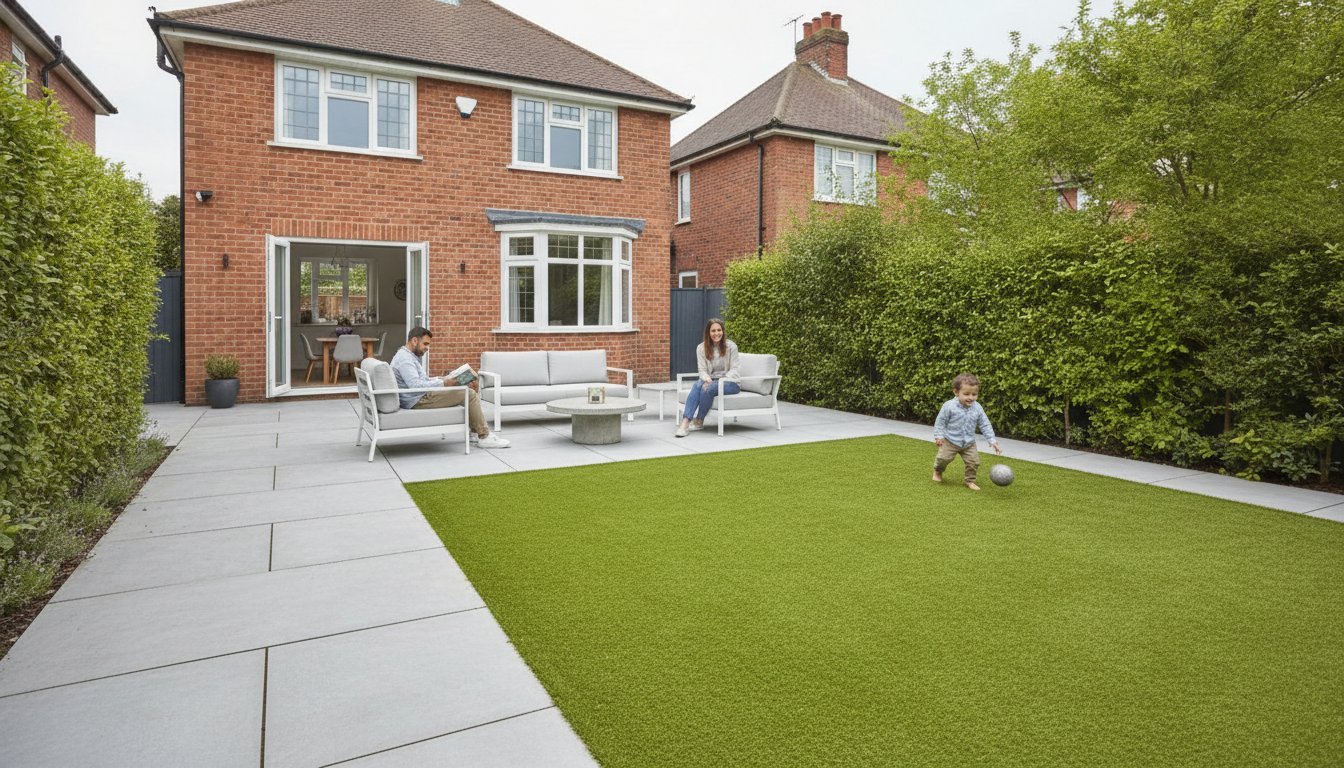
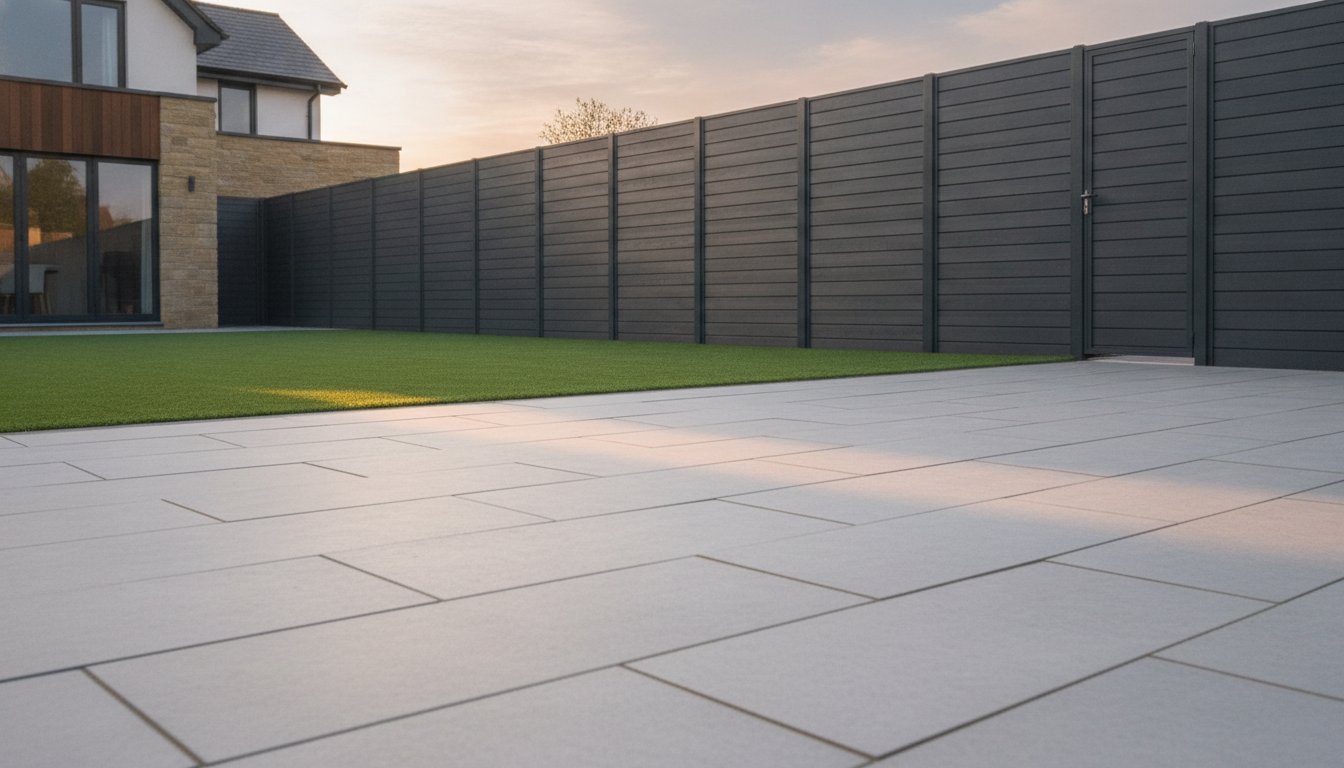
If you dream of a perfect green lawn but dread the constant mowing, weeding, and watering, you are not alone. More and more homeowners in Wirral are discovering the freedom that artificial grass Bidston offers. Whether you have a small courtyard or a larger family garden, switching to synthetic turf can give you a pristine landscape that looks great every single day without the weekend chores. In this guide, we’ll explore why Bidston residents are making the change and how you can enjoy a lush, low-maintenance lawn all year round.
Why Bidston Gardens Are Embracing Artificial Grass
Bidston’s climate can be unpredictable – damp winters, windy spells, and the occasional dry summer. Natural grass often struggles under these conditions, turning muddy or patchy. Artificial grass, on the other hand, stays green and resilient no matter the weather. Here are the main reasons local gardens are turning synthetic:
- No more muddy paws or shoes – If you have children or pets, you know how quickly a natural lawn turns into a swamp. Artificial grass drains quickly and stays clean, even after a heavy Wirral downpour.
- Time saved – Mowing, edging, feeding, and weeding can eat up hours every week. With artificial turf, you reclaim that time for relaxation or family fun.
- Year-round colour – Natural grass can go brown in summer or become waterlogged in winter. Synthetic fibres keep their vibrant green hue 365 days a year.
- Reduced chemical use – No need for fertilisers, pesticides, or weed killers. That’s better for your garden, your children, and the local wildlife.
Another factor driving adoption in Bidston is the type of soil common in the area. Clay-heavy ground can make drainage difficult, leading to puddles and moss. A properly installed artificial lawn sits on a prepared sub-base that handles water efficiently, so you never have to worry about boggy patches.
Enjoy a Lush Lawn Without the Constant Upkeep
The main appeal of artificial grass is obvious: you get the look of a prize-winning lawn without the labour. But “low-maintenance” does not mean “no maintenance.” With a few simple habits, your artificial grass Bidston garden will stay beautiful for ten years or more.
What Does Low-Maintenance Really Mean?
You won’t need a mower, strimmer, or hose (except for occasional cleaning). Here is what you will do occasionally:
- Brush the fibres – Using a stiff brush once a month keeps the blades upright and prevents matting, especially in high-traffic areas.
- Remove debris – Leaves, twigs, and fallen petals can be picked up by hand or with a leaf blower. Letting organic matter sit can encourage moss or algae.
- Rinse off spills – A quick rinse with fresh water removes pet accidents, drinks, or food stains. Artificial grass is non-porous, so liquids wash away easily.
- Control weeds – While a good installation includes a weed membrane, occasional seeds may germinate on top. Pull them out as soon as you spot them.
The Installation Matters Most
A beautiful synthetic lawn starts with correct groundwork. Skimping on the sub-base or using cheap materials leads to wrinkles, poor drainage, and a shorter lifespan. When you choose artificial grass for your Bidston garden, always:
- Excavate properly – Remove at least 75–100 mm of topsoil.
- Lay a compacted sub-base – Typically crushed granite or limestone, which provides stability and drainage.
- Install a weed barrier – A permeable membrane stops growth from below.
- Use jointing tape and adhesive – Seams must be invisible to avoid tripping hazards.
- Add infill – Silica sand or rubber granules help the fibres stand upright and add weight to the turf.
Investing in professional installation (or following these steps carefully yourself) ensures your lawn stays flat, drains well, and resists edge lifting.
Is Artificial Grass Eco-Friendly?
Many people worry about the environmental impact of synthetic lawns. Modern artificial grass is often made from recyclable polyethylene, and its long lifespan (10–15 years) means fewer resources spent on maintaining natural grass. Plus, you save water – no sprinklers in summer – and eliminate petrol mower emissions. To make your installation greener, choose a supplier who offers recyclable or partially recycled turf.
For wildlife lovers, consider leaving a flower bed or planting native shrubs around the perimeter. Artificial grass does not support bees or insects, but a biodiverse border can offset this. Many Bidston homeowners create “zones” – a synthetic lawn for play and relaxation, plus a small wildflower patch for pollinators.
Practical Tips for Bidston Gardens
- Choose a shorter pile height (around 25–30 mm) for high-traffic areas. It looks neat and won’t flatten as easily.
- Darker shades hide small debris better than bright lime green.
- If you have dogs – select turf with good drainage and consider a built-in pee pad area if your garden is very small.
- Check the fire rating – Some cheap grasses are flammable; look for a UKCA or CE mark with a fire safety rating.
The Cost in Context
Artificial grass costs more upfront than seeding or turfing a natural lawn. However, over five years the savings in water, fertiliser, fuel, and your own labour often offset the initial price. In Bidston, where rainfall is moderate, a synthetic lawn can pay for itself in fewer than six seasons – especially if you currently pay a gardener or spend weekends doing the work yourself.
Conclusion
Transforming your Bidston garden with artificial grass is a practical, long-term investment in your home and your free time. You trade the constant upkeep of a natural lawn for a beautiful, resilient surface that your family can enjoy every day, whatever the weather. By choosing quality materials and professional installation, you ensure your synthetic turf remains a pleasure – not a headache – for many years. Whether you want a safe play area for children, a mud-free zone for pets, or simply a place to sit and relax without worrying about lawn care, artificial grass delivers exactly what you need: a lush garden without the labour.